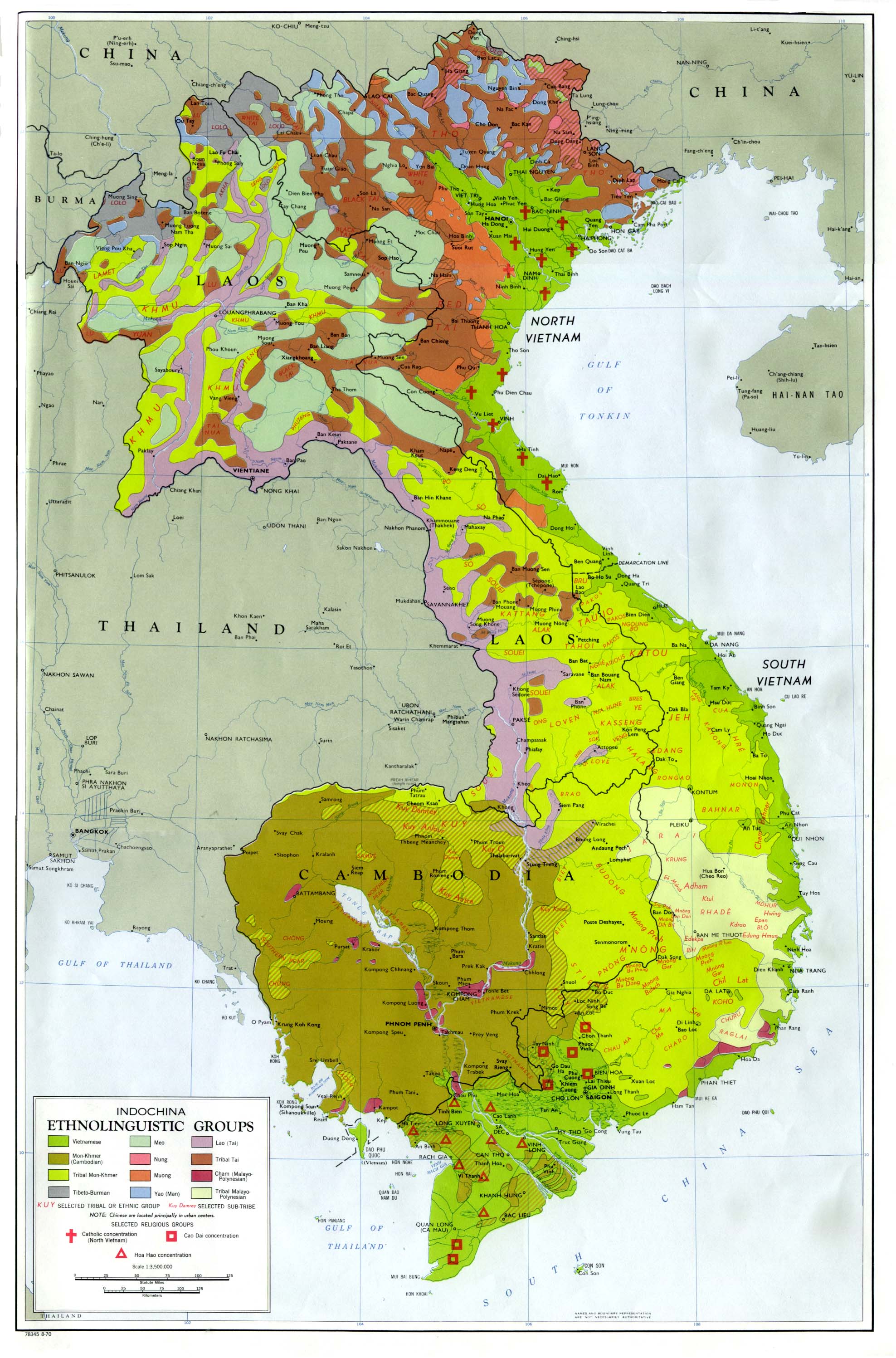
The Tai He people of Laos are one of the many Tai-speaking ethnic groups scattered across mainland Southeast Asia. They are closely related to other Tai populations found in Laos, Vietnam, Thailand, and southern China. In Laos, the Tai He are primarily concentrated in northern and northeastern provinces where river valleys and fertile lowlands support agriculture and village life.
Historically, Tai groups migrated gradually southward from southern China over many centuries, establishing communities throughout the region. The Tai He developed settled agricultural villages and became known for wet-rice farming, trade, and strong village organization. Because many Tai peoples historically occupied productive lowland areas, they often had more contact with regional kingdoms, Buddhism, and trade networks than isolated mountain tribes.
The Tai He have long lived within a culture shaped by Lao political influence and Theravada Buddhist traditions. Even so, they have maintained distinct ethnic customs, local dialects, and family traditions that preserve their own cultural identity. Over time, modernization, migration, and national integration have brought change to Tai He communities, especially among younger generations who have greater access to schools, roads, and urban employment.
Despite these changes, many Tai He villages continue to value traditional social structures, close family ties, and customs passed down through generations.
Most Tai He people live in permanent farming villages located near rivers, streams, or fertile plains. Rice cultivation is central to daily life and forms the backbone of the local economy. Farmers commonly use irrigated paddies during the rainy season and may grow secondary crops such as vegetables, tobacco, corn, or fruit during other parts of the year.
Compared to many isolated highland peoples of Laos, the Tai He generally have greater access to transportation and markets. Villages are often connected by roads, allowing trade with nearby towns. Some families supplement farming income through weaving, fishing, small businesses, or seasonal labor.
Tai He homes are traditionally wooden houses raised on stilts, designed to provide ventilation and protection from flooding during heavy rains. The area beneath the house may be used for storage, animals, or workspace. Villages usually revolve around strong family networks, with elders playing an important role in preserving customs and resolving disputes.
Community life is often highly cooperative. Neighbors assist one another during planting and harvest seasons, weddings, funerals, and festivals. Hospitality and respect for family honor are highly valued. Traditional music, dance, storytelling, and weaving continue to hold cultural importance, although modern technology and media increasingly influence younger people.
Education levels among the Tai He are generally higher than among more remote tribal groups, yet many rural communities still face economic limitations. Access to advanced healthcare and employment opportunities can remain difficult outside major towns and cities.
The Tai He are primarily influenced by Theravada Buddhism, the dominant religion of Laos. Buddhist temples often serve as spiritual and social centers within village life. Monks are respected figures, and many families participate in merit-making ceremonies, temple festivals, and religious observances throughout the year.
At the same time, traditional ethnic beliefs continue to exist alongside Buddhism. Many Tai He believe that spirits inhabit natural places such as forests, rivers, fields, and homes. Families may conduct ceremonies to honor ancestors or seek protection from spirits believed to affect health, crops, and daily life. This blending of Buddhism with animistic practices is common throughout many rural Tai communities.
Religious rituals often mark major life events including births, marriages, illnesses, and funerals. Spirit ceremonies may still be practiced even by those who identify strongly with Buddhism. Fear of offending spiritual powers can influence many daily decisions and customs.
The Tai He need greater access to the gospel through culturally sensitive evangelism and long-term discipleship. Although they often live in more accessible areas than remote mountain tribes, many villages still lack a strong evangelical witness or mature local churches.
Biblical teaching materials in forms that connect with Tai culture and language are important for helping people understand the message of Christ clearly. Because Buddhism and spirit beliefs are deeply woven into everyday life, believers need patient discipleship that addresses fear, merit-based thinking, and spiritual bondage through the truth of Scripture.
There is also a need for trained local Christian leaders who can faithfully teach the Bible and disciple new believers within their own communities. Sustainable church growth will depend heavily on indigenous leadership rather than outside support alone.
Practical needs remain significant as well. Rural communities continue to benefit from improved healthcare, educational opportunities, agricultural development, and economic stability. Ministries that combine compassionate service with clear gospel witness can open meaningful doors for long-term ministry relationships.
Younger generations face growing pressure from migration, modernization, and changing social values. Pray that Tai He families would find hope, stability, and truth through the transforming power of Jesus Christ.
Pray that the Tai He people will hear the gospel presented clearly in ways they can understand and receive.
Pray for strong local churches and mature Christian leaders to be established among the Tai He.
Pray for wisdom and boldness for missionaries and local believers serving among Buddhist peoples in Laos.
Ask God to soften hearts toward the gospel and reduce social resistance to those who choose to follow Christ.
Pray for the Tai He people to be adopted through the People Group Adoption Program so that churches and ministries will commit to sustained prayer, outreach, and discipleship.
Pray for improved healthcare, education, economic opportunity, and family stability within Tai He communities.
Scripture Prayers for the Tai He in Laos.
Ethnologue
PeopleGroups.org
Minority Rights Group International
Academic studies on Tai peoples of Laos
Regional reports on religion and ethnic minorities in Laos
| Profile Source: Joshua Project |